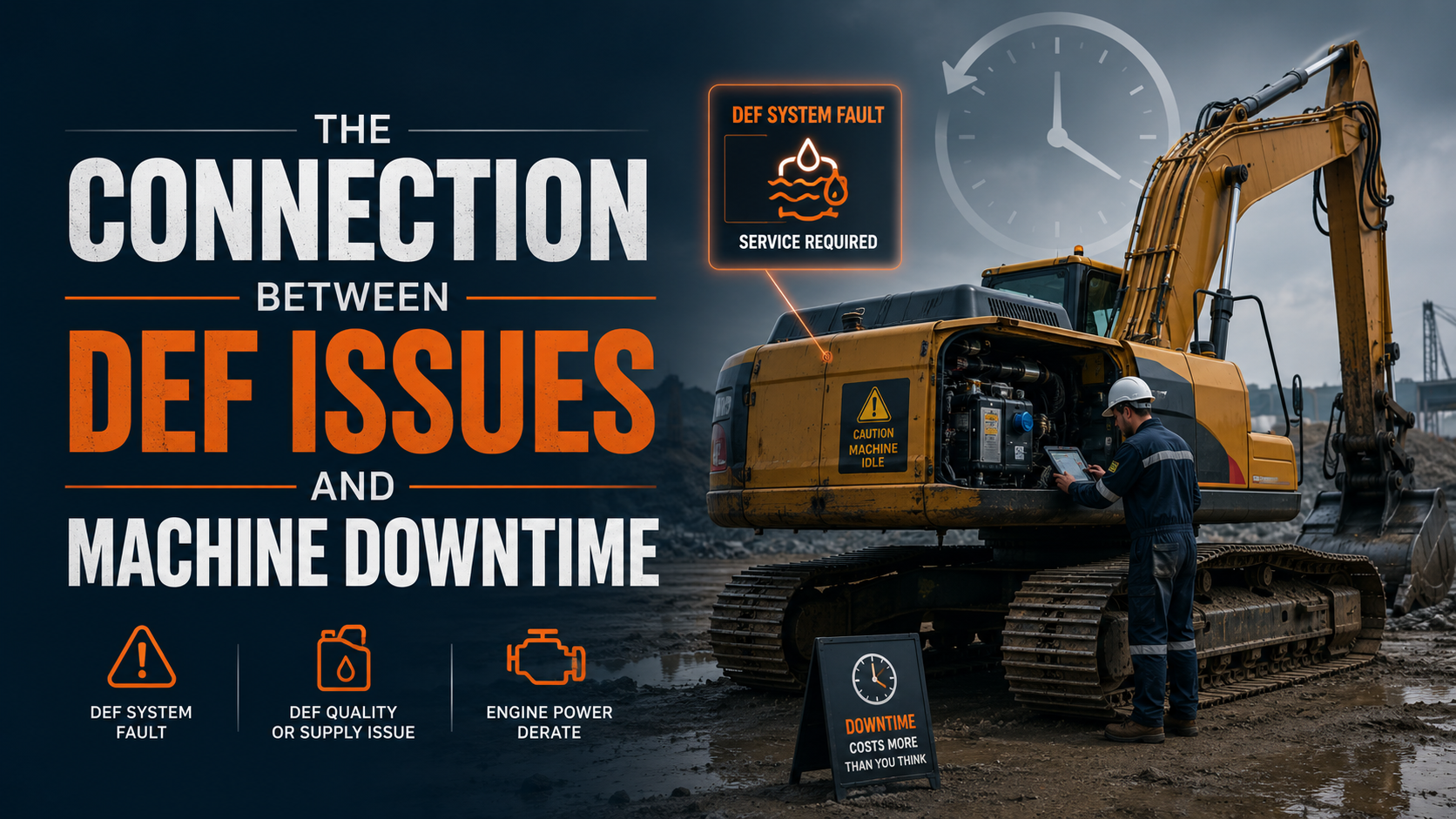
The Connection Between DEF Issues and Machine Downtime
For owners and operators of diesel equipment, downtime can be more expensive than the repair itself. A machine that sits unused can delay construction schedules, increase labor costs, affect project deadlines, and reduce overall productivity. This is one reason searches for doosan DEF delete often begin after an operator encounters repeated emissions warnings or DEF related faults.
The issue is not simply about a warning light on the dashboard. A DEF fault can sometimes lead to operating restrictions depending on the machine, fault condition, and control strategy. When this happens, owners naturally start looking for ways to keep equipment working.
However, the better approach is to understand why the problem is happening and how different repair decisions may affect future reliability. A proper diagnosis can often identify a specific component rather than treating the entire emissions system as the problem.
Why DEF Problems Can Interrupt Equipment Operation
Modern diesel equipment relies on electronic controls to monitor emissions related components. The Doosan DEF system is connected to sensors, dosing equipment, fluid storage, pumps, wiring, and SCR components.
If one of these parts reports an abnormal condition, the machine's control system may record a diagnostic fault. Depending on the severity of the issue, the equipment can display warnings or introduce operating limitations.
This means that an apparently small problem can have a significant effect on productivity. For a contractor working on a time sensitive project, even a short interruption can create additional expenses. Transport arrangements, replacement machinery, idle workers, and delayed material handling can all add to the financial impact. Understanding the source of the problem is therefore important before choosing a repair strategy.
Common Reasons Doosan DEF Problems Occur
Doosan DEF problems can develop for several different reasons. Some are related to fluid quality, while others involve electrical or mechanical components.
DEF Contamination
DEF must remain clean and meet the required specification. Contamination from fuel, oil, dirt, or unsuitable materials can interfere with system operation. Contaminated fluid can affect sensors and other components. In some situations, continuing to operate the machine without addressing the contamination may increase the scope of the repair. Clean storage containers and suitable filling equipment can help reduce this risk.
Sensor Faults
Sensors provide the control system with information about the DEF and exhaust system. If a sensor becomes defective or produces inaccurate readings, the machine may register a fault. A sensor problem can sometimes appear similar to a larger emissions system failure. Diagnostic testing can help identify whether the sensor itself is responsible.
Pump Problems
The DEF pump is responsible for moving fluid through the delivery system under the required conditions. A pump malfunction can prevent appropriate DEF delivery and trigger system warnings. Electrical problems, mechanical wear, or other component faults can contribute to pump related issues.
Dosing Problems
The dosing equipment controls the delivery of DEF into the exhaust system. Problems with the injector, supply line, electrical connection, or related components can affect the process. Visible deposits may also provide clues that further inspection is needed.
How the Doosan SCR System Supports Emissions Control
The Doosan SCR system uses DEF as part of a chemical process designed to reduce nitrogen oxide emissions from diesel exhaust. The system depends on coordinated operation between several components. Sensors monitor operating conditions, the control system processes information, and DEF is delivered into the exhaust according to operating requirements.
Because the system is integrated with electronic controls, an emissions fault should not automatically be treated as an isolated DEF tank problem. This is particularly important when evaluating searches related to doosan DEF delete. Removing or disabling an emissions component does not necessarily address the reason the machine originally reported a fault.
Why Fast Repairs Are Not Always the Best Repairs
When a machine stops working properly, speed becomes a priority. However, replacing components without confirming the fault can result in repeated downtime. For example, replacing a sensor may not solve a problem caused by damaged wiring. Similarly, replacing a dosing component may not resolve an issue caused by contaminated DEF.
A more efficient process begins with diagnostic information. The machine's fault codes can provide useful direction. A technician can then inspect the related components and determine which part requires attention. This may take more time at the beginning, but it can reduce repeated repairs and unnecessary parts costs.
The Real Cost of Repeated DEF Faults
The cost of a DEF issue is not limited to parts and labor. Consider a machine that normally contributes to several hours of productive work each day. If a recurring emissions fault keeps the machine out of service, the business may lose revenue while still paying for operators, transportation, financing, insurance, and other expenses.
This is why Doosan emissions system maintenance can have a direct connection with business productivity. Preventive maintenance may cost money, but unexpected downtime can cost considerably more when equipment is tied to active projects. Keeping records of previous faults can also help reduce repeated diagnostic work.
How Operators Can Reduce DEF Related Downtime
Operators have an important role in keeping emissions systems functioning properly. Using suitable Doosan diesel exhaust fluid is one of the basic requirements. The fluid should be protected from contamination and stored according to appropriate conditions.
Operators should also avoid using dirty containers or equipment when filling the DEF tank. Introducing contaminants can create problems that may not appear immediately. Warning messages should be reported rather than ignored. If the machine repeatedly displays the same warning, the issue should be investigated before it develops into a more serious operational problem. Regular visual inspections can also identify leaks, damaged wiring, loose connections, or unusual deposits.
Why DEF Storage Practices Matter
DEF is not handled in the same way as diesel fuel. It requires clean storage and suitable handling practices. Containers used for DEF should not have previously contained substances that could contaminate the fluid.
Temperature and storage duration should also be considered. Poor storage conditions can affect fluid quality and contribute to equipment problems. For businesses operating several machines, consistent DEF handling procedures can reduce the likelihood of contamination related faults. Training operators on these simple practices can be particularly useful because improper filling is an avoidable source of equipment problems.
Evaluating a DEF Delete Search From an Operational Perspective
The term doosan def delete is often associated with the desire to prevent emissions related interruptions. From an operational perspective, however, owners should consider the complete situation before making changes to factory emissions equipment.
The first question should be what caused the fault. If the problem is a failed sensor, replacing the sensor may restore normal operation. If contamination is responsible, addressing the fluid and affected components may solve the issue. If wiring is damaged, repairing the electrical connection may be sufficient. Each situation requires its own diagnosis.
Emissions modifications can also create regulatory, warranty, inspection, servicing, and resale considerations. Requirements vary according to location and equipment type, so owners should check applicable requirements before making changes.
When Professional Diagnosis Is Worth the Cost
Professional assistance can be valuable when faults continue to return or when a machine enters an operating restriction. A qualified technician can use diagnostic equipment, inspect relevant components, and evaluate how the engine and emissions systems interact.
This is especially useful when several fault codes appear at the same time. Multiple codes do not necessarily mean multiple failed components. One underlying problem can sometimes trigger several related warnings. Professional testing can therefore help distinguish the primary fault from secondary symptoms. For businesses that depend heavily on their equipment, accurate diagnosis can be a worthwhile investment because it may prevent repeated downtime.
Keeping a Machine Productive During Repairs
When a machine requires emissions system work, owners can reduce business disruption by planning around the repair. If possible, maintenance should be scheduled before major project deadlines. Businesses operating multiple machines may also be able to temporarily assign another unit to the affected task.
Keeping common maintenance records available can help technicians work more efficiently. It is also useful to record the exact circumstances under which a warning appears. Information such as operating conditions, machine temperature, recent maintenance, and previous repairs may help identify recurring patterns.
How Maintenance Records Help With Future Repairs
A detailed maintenance history can make future troubleshooting easier. Records can show when DEF was serviced, which components were replaced, which diagnostic codes were recorded, and whether the same issue occurred previously.
This information can prevent technicians from repeating tests or replacing parts that have already been confirmed as functional. For businesses with several Doosan machines, maintaining separate service records for each unit can also help identify whether a problem is isolated or related to operating practices.
Choosing Reliability Over Short Term Fixes
A machine should ideally be evaluated according to its entire operating life rather than a single repair event. A short term solution may appear inexpensive, but reliability should remain a major consideration. Repeated faults can cost more over time through downtime, emergency repairs, and lost productivity.
Maintaining the original emissions equipment in proper working condition can also simplify future servicing and preserve the machine's factory configuration. For owners researching doosan DEF delete, comparing the immediate cost of a modification with the longer term effects on reliability, compliance, serviceability, and equipment value can lead to a more informed decision.
Where Specialist Support May Fit
Some equipment owners prefer to work with specialists who focus on diesel systems and related services. BlueRemoval.com can be considered when researching available options, but any emissions related service should be evaluated according to the machine's requirements and the laws applicable to its location. The most useful support is based on accurate diagnosis and clear information about the condition of the equipment. Owners should also ask what documentation will be provided after a repair and whether the work affects the original machine configuration.
Final Thoughts on Doosan DEF Delete and Downtime
Searching for doosan DEF delete often starts with a practical problem: a machine is generating DEF warnings, entering restrictions, or creating unexpected maintenance costs. The larger issue, however, is equipment availability.
A properly maintained DEF and SCR system can help keep compatible diesel equipment operating as intended. When faults occur, identifying the actual cause is usually more useful than assuming the entire emissions system is responsible.
Fluid quality, sensors, pumps, dosing equipment, wiring, and SCR components can all play a role in DEF related problems. Regular inspections and timely diagnosis can reduce the risk of extended downtime. For equipment owners, the best decision is one that considers productivity, maintenance costs, reliability, applicable regulations, and future machine use together. Treating DEF problems as a diagnostic and maintenance issue can provide a more sustainable approach to keeping valuable Doosan equipment productive.