Want to Dress With More Personality? Start With Pieces That Tell a Story
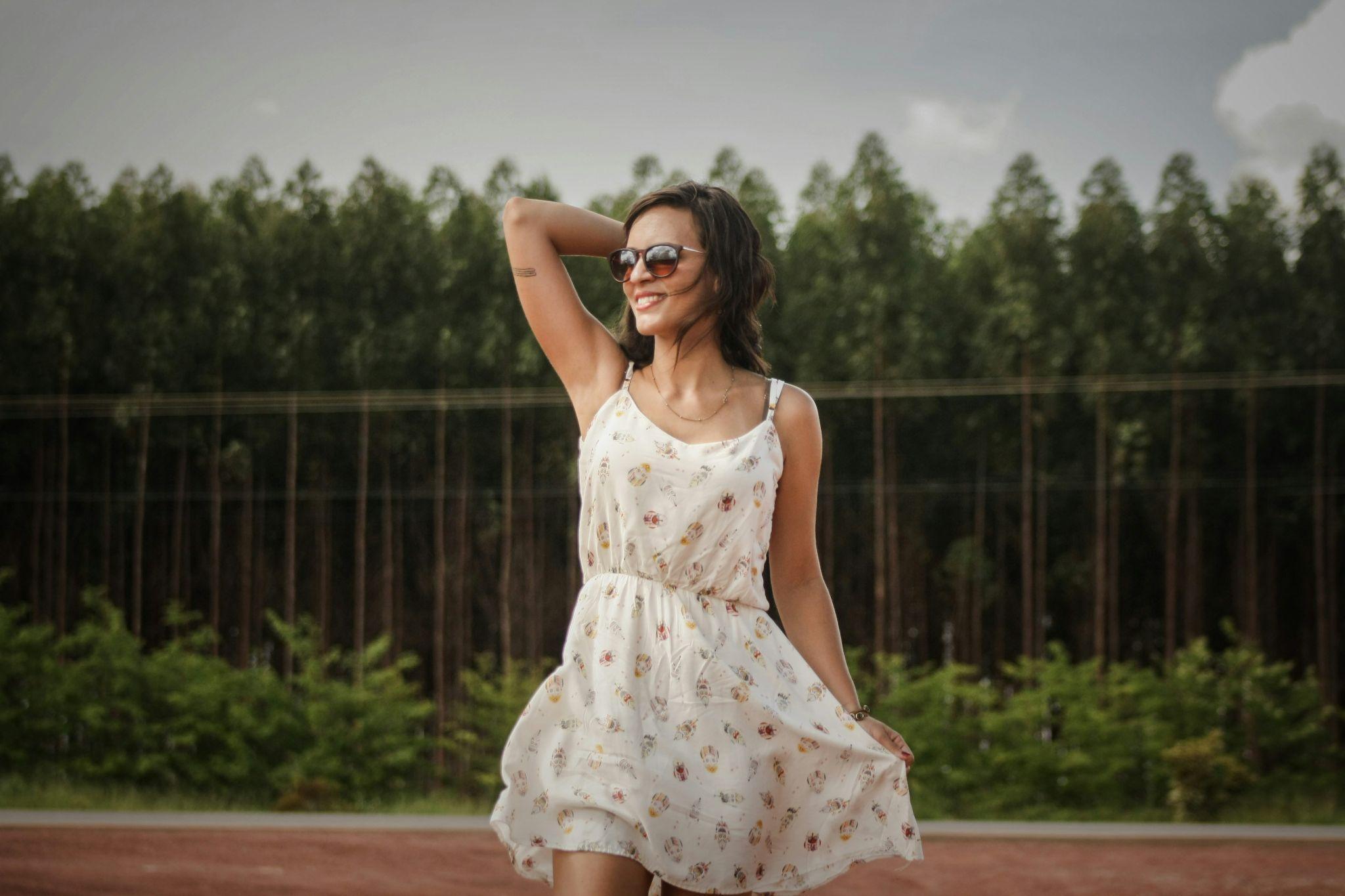
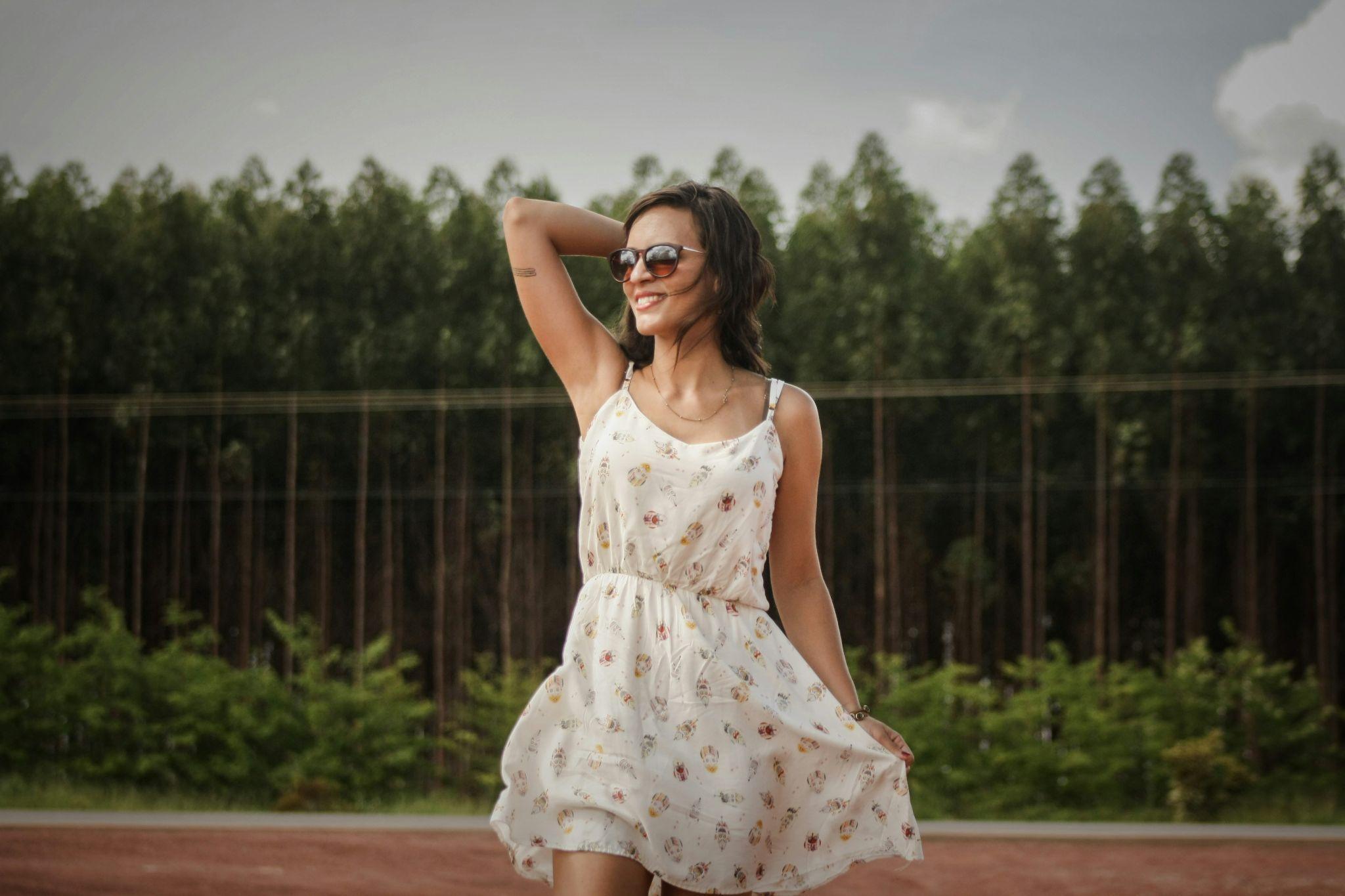
Photo by Priscilla Whendy on Unsplash
Personal style is often confused with simply wearing unusual clothes. In reality, dressing with personality has less to do with standing out for the sake of it and more to do with choosing pieces that feel meaningful, distinctive, and genuinely connected to the person wearing them.
The most memorable wardrobes are rarely built entirely around seasonal trends. They usually contain clothes with texture, craftsmanship, history, or some other detail that gives them character. When those pieces are combined thoughtfully, even a simple outfit can feel far more individual.
Choose Clothing With Something Behind It
A garment becomes more interesting when there is a reason it looks the way it does. Traditional techniques, regional influences, distinctive patterns, and recognizable craftsmanship can all give clothing a sense of identity that mass-produced basics sometimes lack.
Patterned knitwear is a good example. Jacquard construction allows colors and motifs to become part of the fabric itself rather than appearing as a simple surface print. Collections from Aran demonstrate how decorative knit patterns can give a sweater enough visual character to become the defining element of an outfit while remaining practical and wearable.
Pieces like these are useful because they do not require complicated styling. Their texture, construction, and pattern already create interest, allowing the rest of the outfit to remain relatively understated. A distinctive sweater with straightforward trousers and boots can often say more about personal style than an outfit containing several competing statement pieces.
Look Beyond Whatever Happens to Be Trending
Trends can be useful sources of inspiration, but relying on them too heavily can make a wardrobe feel temporary. When everyone is buying similar silhouettes, colors, or accessories at the same time, it becomes harder for clothing to communicate anything particularly personal.
Instead of asking whether something is fashionable right now, consider whether you would still enjoy wearing it several years from now. That does not mean avoiding contemporary fashion. It simply means being more selective about which trends genuinely suit your tastes.
A strong wardrobe often combines current pieces with clothing that has a longer visual life. Traditional knitwear, a well-cut coat, distinctive leather shoes, an old denim jacket, or an inherited accessory can provide continuity while newer additions keep the overall look fresh.
Over time, this approach creates a wardrobe that evolves rather than being repeatedly replaced.
Let Texture Do Some of the Work
Color receives a great deal of attention in fashion, but texture can be just as effective at making an outfit distinctive.
Consider the difference between a plain lightweight sweater and a substantial knitted one. Even if both are exactly the same color, the visible stitches, depth, and structure of the heavier knit create much more visual information.
The same applies to corduroy, suede, linen, brushed wool, denim, tweed, and textured leather. Combining different surfaces makes an outfit more interesting without requiring loud colors or dramatic patterns.
This can be particularly useful for people who prefer neutral wardrobes. Someone who mainly wears navy, brown, cream, grey, or black can still create considerable personality by varying materials. A chunky knit with smooth trousers and suede footwear can look far richer than an outfit in identical flat fabrics.
Texture also changes with wear. Leather develops a patina, denim fades, and good-quality knitwear softens. Those changes can make clothing feel increasingly personal rather than simply older.
Keep Pieces That Acquire Meaning Over Time
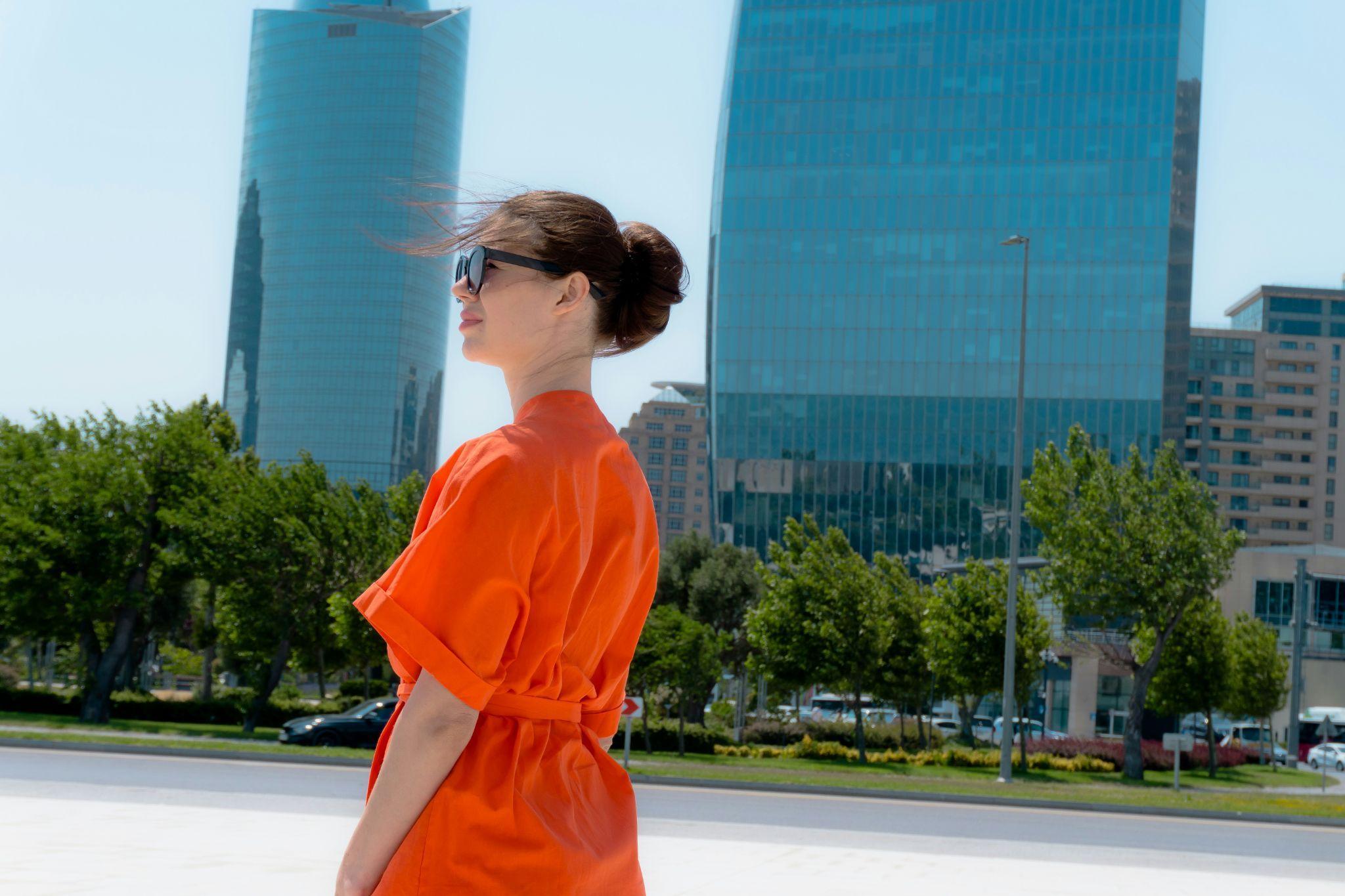
Photo by Zulfugar Karimov on Unsplash
Not everything with a story needs to come from a historic craft or recognizable tradition. Sometimes the story develops after you buy something.
A jacket worn on repeated trips, a sweater associated with winter holidays, a watch received as a gift, or a scarf bought while travelling can gradually become more valuable emotionally than much newer clothing.
These are often the items people keep even while clearing out the rest of their wardrobes.
There is practical value in this too. When you become attached to certain pieces, you are more likely to maintain them properly, repair minor damage, and find new ways to wear them. That relationship encourages a slower and more deliberate approach to clothing.
Eventually, a wardrobe can become a record of experiences rather than simply a collection of purchases.
Build Outfits Around One Strong Detail
Dressing with personality does not require every garment to attract attention. In fact, outfits often look more confident when one distinctive piece is given enough space to stand out.
If you are wearing a patterned sweater, the trousers and shoes can remain simple. If the focus is an unusual jacket, a plain knit underneath may be all that is needed. A striking scarf or pair of shoes can perform the same role when the rest of the outfit is restrained.
This creates a natural visual hierarchy. Instead of several items competing for attention, the eye immediately understands what defines the look.
It also makes distinctive clothing much easier to wear regularly. A piece that initially seems difficult to style may become surprisingly versatile when combined with familiar basics.
The objective is not maximum visual impact. It is finding one or two details that make the outfit recognizably yours.
Stop Saving Your Most Interesting Clothes
Many wardrobes contain great pieces that are rarely worn because they seem too distinctive, too expensive, or somehow reserved for a future occasion.
That habit can make everyday dressing unnecessarily dull.
A favorite sweater does not need an important event. A beautifully made coat can be worn to an ordinary lunch. Interesting shoes do not have to wait for a formal evening. Clothing becomes part of personal style through repetition, and the pieces people associate with you are usually the ones you wear regularly.
Using your favorite garments more often also helps you discover combinations you might otherwise miss. A piece originally bought for smarter occasions may work with jeans. Something considered purely seasonal may become useful when layered differently.
Personal style develops through that experimentation. The more you understand which clothes make you feel comfortable and recognizable, the less important rigid fashion rules become.
Ultimately, dressing with personality is not about creating a costume or constantly searching for something nobody else owns. It comes from choosing clothing with character, keeping pieces that gain meaning, and wearing them often enough for them to become part of your own story.