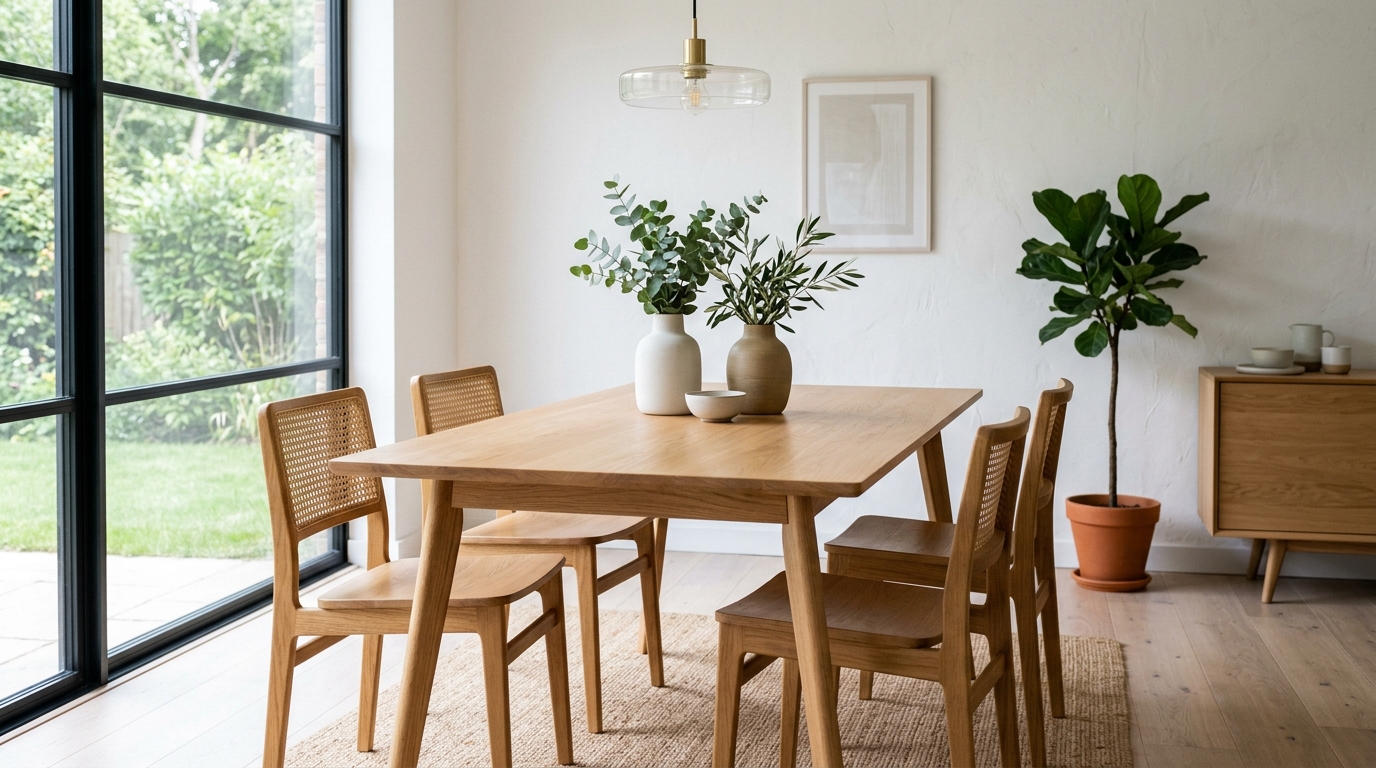
A Guide to Using gpt image 2 for Scaling WooCommerce Product Listings in Furniture Ecommerce
In the high-stakes world of furniture ecommerce, speed and visual fidelity are often at war. Imagine you are three days away from launching a new mid-century modern oak dining table on your WooCommerce store, but the photography studio just sent back flat, poorly lit proofs. The wood grain looks washed out, and the background clutter ruins the premium feel. Traditional studio photography is slow and expensive, yet generic AI tools often warp dimensions or mangle text. This is where gpt image 2 enters the conversation as a production-grade alternative.
For WooCommerce merchants, the challenge is not just generating a pretty picture; it is maintaining brand consistency and product accuracy across multiple touchpoints. While early AI generators produced dreamlike but unusable assets, gpt image 2 introduces precise text rendering and spatial reasoning. However, is it the right choice for your entire catalog, or should you reserve it for specific marketing channels? This guide breaks down the comparison between traditional shoots, 3D rendering, and gpt image 2 to help you make an informed decision.
The Visual Dilemma in Furniture Ecommerce: Traditional Photoshoots vs. AI Generation
Every furniture retailer knows that buying furniture online is an act of trust. Because customers cannot touch the velvet of a sofa or feel the weight of an oak table, they rely entirely on WooCommerce product pages and category banners to make a decision. Historically, this meant booking a physical photo studio, hiring stylists, and shipping heavy inventory. A single shoot could easily cost thousands of dollars and take weeks to coordinate.
When AI image generators first emerged, many brands hoped to bypass this bottleneck. However, early models suffered from severe limitations: they could not render clean text, they struggled with exact proportions, and they often added bizarre artifacts. A dining table might end up with five legs, or a product label would display gibberish.
The release of gpt image 2 changed this dynamic. By integrating advanced reasoning and text rendering, gpt image 2 allows brands to generate high-fidelity assets that actually look like real products. Yet, the transition to AI is not a simple swap. Brands must weigh the tactile accuracy of traditional shoots against the speed and flexibility of gpt image 2. For instance, platforms like pikvee have started integrating gpt image 2 workflows to help merchants quickly spin up lifestyle backgrounds around their core product photos, bridging the gap between raw studio shots and polished marketing assets.
Key Criteria for Evaluating Furniture Image Production Methods
To determine which visual production method suits your WooCommerce store, you must evaluate them across five critical dimensions:
- Visual Fidelity and Texture Accuracy: Furniture buyers scrutinize details. Can the tool accurately depict the texture of boucle fabric or the matte finish of powder-coated steel?
- Text and UI Rendering: If your lifestyle images include packaging, signage, or promotional text, the tool must render these elements with near-perfect accuracy (exceeding 95%).
- Cost and Scalability: How much does it cost to generate 100 variations of a single chair for seasonal campaigns?
- Setup Speed and Turnaround: How quickly can you move from a product concept to an active ad campaign?
- Editing and Compositional Control: Can you easily swap a background, adjust lighting angles, or correct a minor flaw without starting from scratch?
Traditional photoshoots excel at texture accuracy but fail on scalability and speed. 3D CAD rendering offers great control but requires expensive software and specialized designers. Meanwhile, gpt image 2 provides unprecedented speed and text rendering capabilities. In a fast-moving market, tools like pikvee leverage gpt image 2 to help teams execute these evaluations in real-time, allowing designers to test prompts and review outputs within minutes.
Comparing Traditional Photography, Rendering, and gpt image 2
To help your team choose the right path, we have mapped these three production methods against our key criteria. Rather than assuming one tool fits every scenario, we must analyze the trade-offs of each.
| Evaluation Criteria | Traditional Photoshoots | 3D CAD Rendering | gpt image 2 |
|---|---|---|---|
| Visual Fidelity | Absolute (Real textures & light) | High (Requires manual tuning) | High (Photorealistic, minor variations) |
| Text Rendering | Perfect (Captured live) | Perfect (Vector text overlay) | Near-Perfect (Native multi-language text) |
| Cost per Asset | High ($500 - $2,000+ per setup) | Medium ($100 - $300 per model) | Ultra-Low (API tokens or subscription) |
| Turnaround Time | 2 - 4 Weeks | 3 - 7 Days | Minutes |
| Scalability | Low (Requires physical setup) | Medium (Requires new render passes) | High (Instant variations via prompts) |
Traditional photography remains the gold standard for hero images on WooCommerce product pages where absolute physical accuracy is non-negotiable. If a customer is spending $3,000 on a custom sectional sofa, they need to see the exact seam stitching.
However, for secondary images, social media ads, and seasonal banners, the high cost of traditional shoots becomes prohibitive. This is where 3D rendering and gpt image 2 offer viable alternatives. 3D rendering is excellent when you already have CAD files of your furniture, but it requires technical expertise.
In contrast, gpt image 2 democratizes asset creation. Because gpt image 2 understands complex textual prompts and spatial layouts, a content marketer can generate a holiday-themed living room scene in seconds. For example, using a workflow on pikvee, you can upload a basic product cutout and use gpt image 2 to generate a photorealistic background that aligns perfectly with the product's lighting and shadows. This hybrid approach minimizes the visual "AI feel" while maximizing production speed.
When to Use gpt image 2 for WooCommerce Store Assets
Because no single method is perfect, the key to efficiency is knowing when to deploy each tool. Based on typical e-commerce workflows, here is how you should distribute your visual production tasks.
Use Cases Where the Model Excels
- Seasonal and Holiday Campaigns: Creating autumn-themed or holiday-themed backgrounds for your entire catalog is highly expensive with traditional shoots. With gpt image 2, you can generate dozens of seasonal lifestyle scenes without moving a single piece of furniture.
- Social Media and Ad Creatives: Social media channels demand a high volume of fresh content. You can use gpt image 2 to quickly generate variations of a lounge chair in different interior styles—such as Scandinavian, industrial, or mid-century modern.
- Banner Ads with Embedded Text: Thanks to its signature text rendering capabilities, the model can generate promotional banners that include clear, readable copy like 'Summer Sale' or '50% Off' in multiple languages.
When to Stick to Traditional Shoots or 3D Renders
If you need to show the exact mechanical joints of an adjustable standing desk, gpt image 2 may not guarantee the mechanical precision required. In this scenario, a 3D render or a physical photograph is necessary. However, once the primary product asset is established, you can import it into a platform like pikvee and use gpt image 2 to generate contextual lifestyle backgrounds, saving time on the overall design cycle.
By understanding these boundaries, WooCommerce merchants can build a hybrid workflow. You do not have to abandon traditional photography; instead, you use gpt image 2 to handle the high-volume, fast-turnaround assets that would otherwise drain your marketing budget.
Setting Boundaries: Where AI Visuals Fall Short and How to Manage Them
While gpt image 2 represents a massive leap forward in AI image generation, it is not a magic wand. To avoid customer returns and brand dilution, you must establish clear quality control boundaries when using gpt image 2 in your ecommerce pipeline.
First, be aware of texture drift. When generating wood or fabric textures, gpt image 2 might occasionally introduce patterns that do not match the physical product. To mitigate this, always run a side-by-side check between the AI-generated asset and a physical sample before publishing.
Second, watch for lighting and shadow mismatches. If you are placing a real product cutout into an AI-generated scene, ensure the light source in the background matches the shadows on the product.
Here is a quick checklist for your design team before uploading any gpt image 2 asset to your WooCommerce store:
- Wood Grain Check: Does the oak or walnut texture look natural and consistent with the actual product?
- Perspective Alignment: Does the camera angle of the generated room match the perspective of the furniture?
- Text Accuracy: Are all labels, signs, and promotional text rendered without spelling or alignment errors?
- Aspect Ratio and Resolution: Is the asset exported in 2K resolution and cropped to the correct aspect ratio for mobile viewports?
By enforcing these quality standards, you can leverage the speed of gpt image 2 while maintaining the high trust levels that furniture buyers demand. The goal is to build a workflow where gpt image 2 acts as an accelerator, allowing your creative team to focus on styling and strategy rather than repetitive manual editing.